
- Facilities
-
Programs
Pre-K (0-5 yrs)Youth (6-17 yrs)Adult (18+ yrs)
-
Parks/Beaches
ParksOutdoor Activities
- Rentals
- Projects/Planning
- Events
- About







This goal goes beyond how the District gets energy and focuses on how the District uses energy.
Park District initiatives to use energy efficiently are highlighted below.
Through the ComEd Energy Assessment program, the Park District plans to assess each facility and park building over the next 10 years.
Incentives offered through this program have supported the District’s transition to LED lighting and will continue to guide the District in improving energy efficiency.
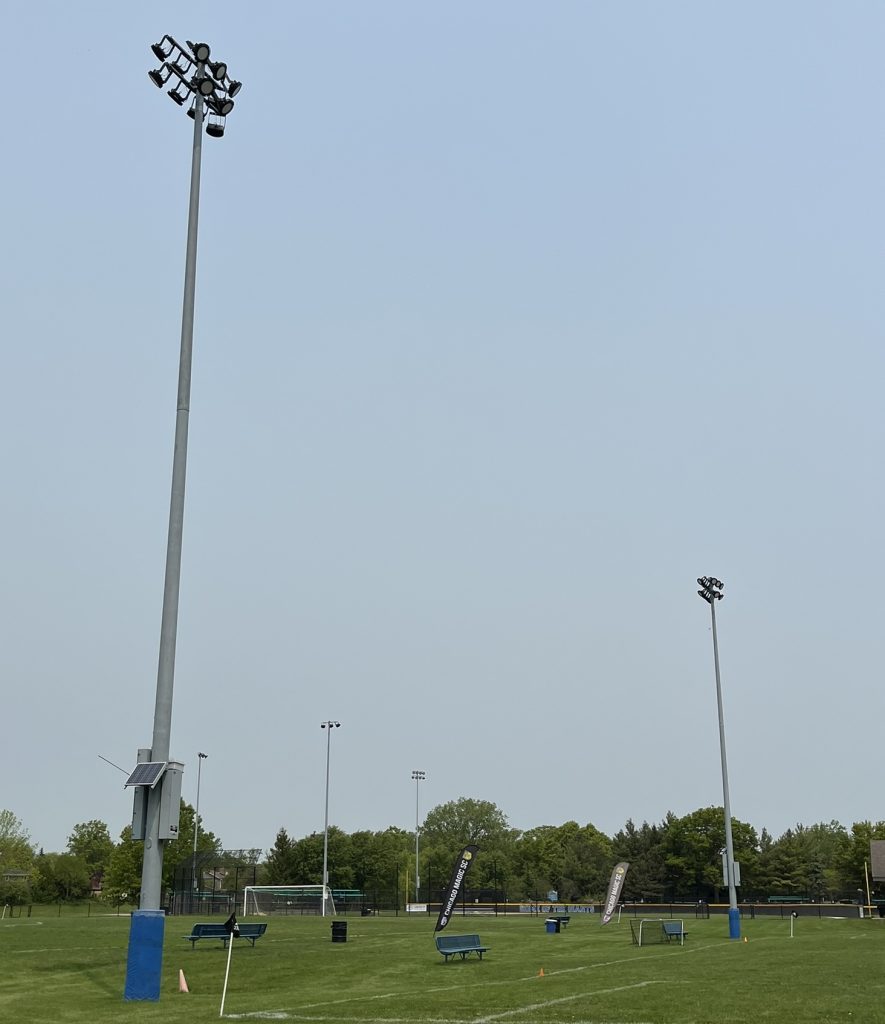
Compared to traditional lighting, LEDs provide many benefits including – increased energy efficiency, a longer lifespan, and are created with less hazardous materials – all of which lead to significant cost savings and reduced energy demands.
The Park District has been working to convert our facility and sports field lighting to LEDs to improve efficiency. 75% of the lighting at District facilities has been replaced with LEDs and about 1/3 of the field lighting has been converted.
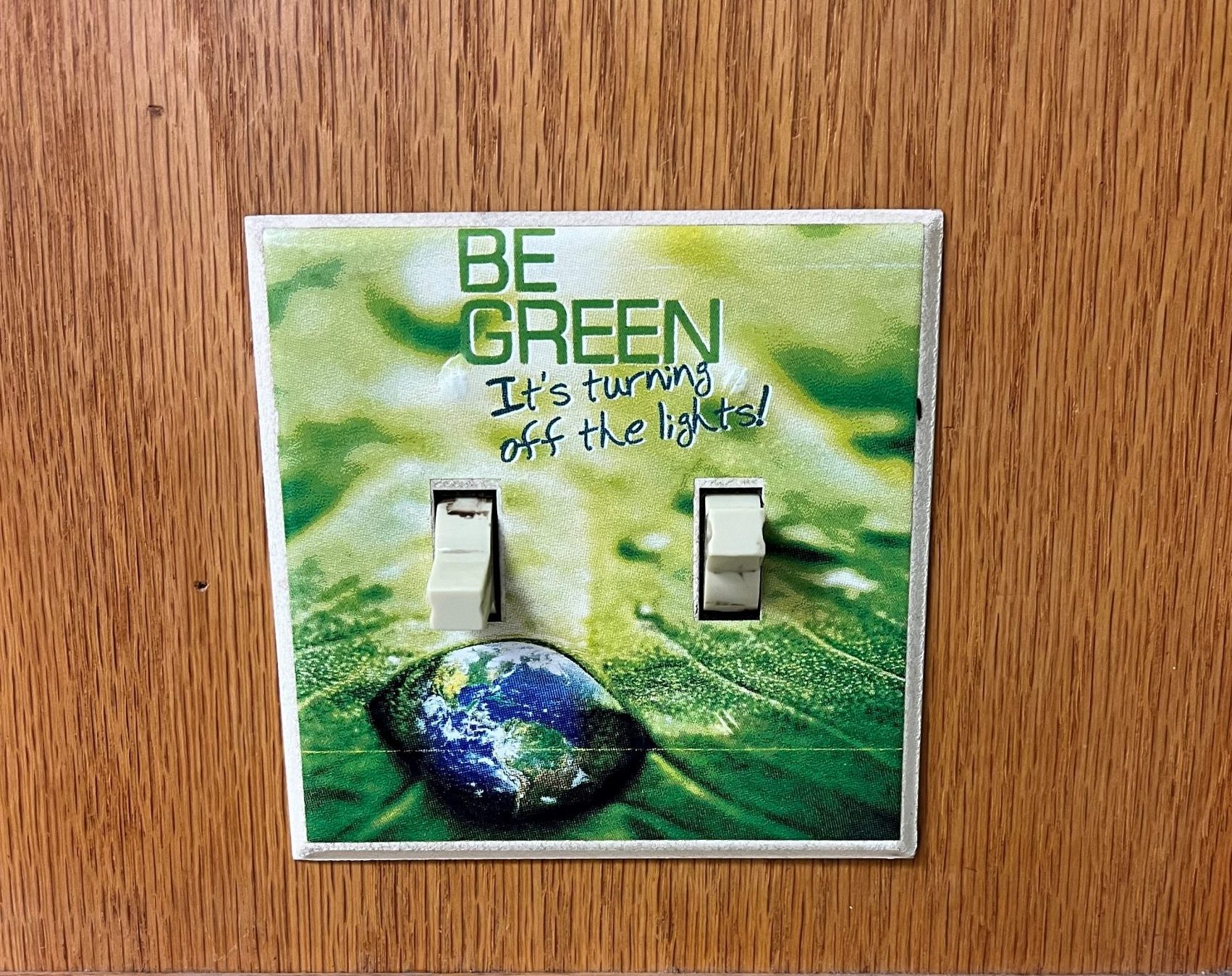
In facilities that have not fully transitioned to automatic lighting, you will find these stickers on the light switches, which are a small way the District can remind occupants to only turn on the lights when needed.
This initiative was implemented as part of the District’s 2018 Sustainability Plan.
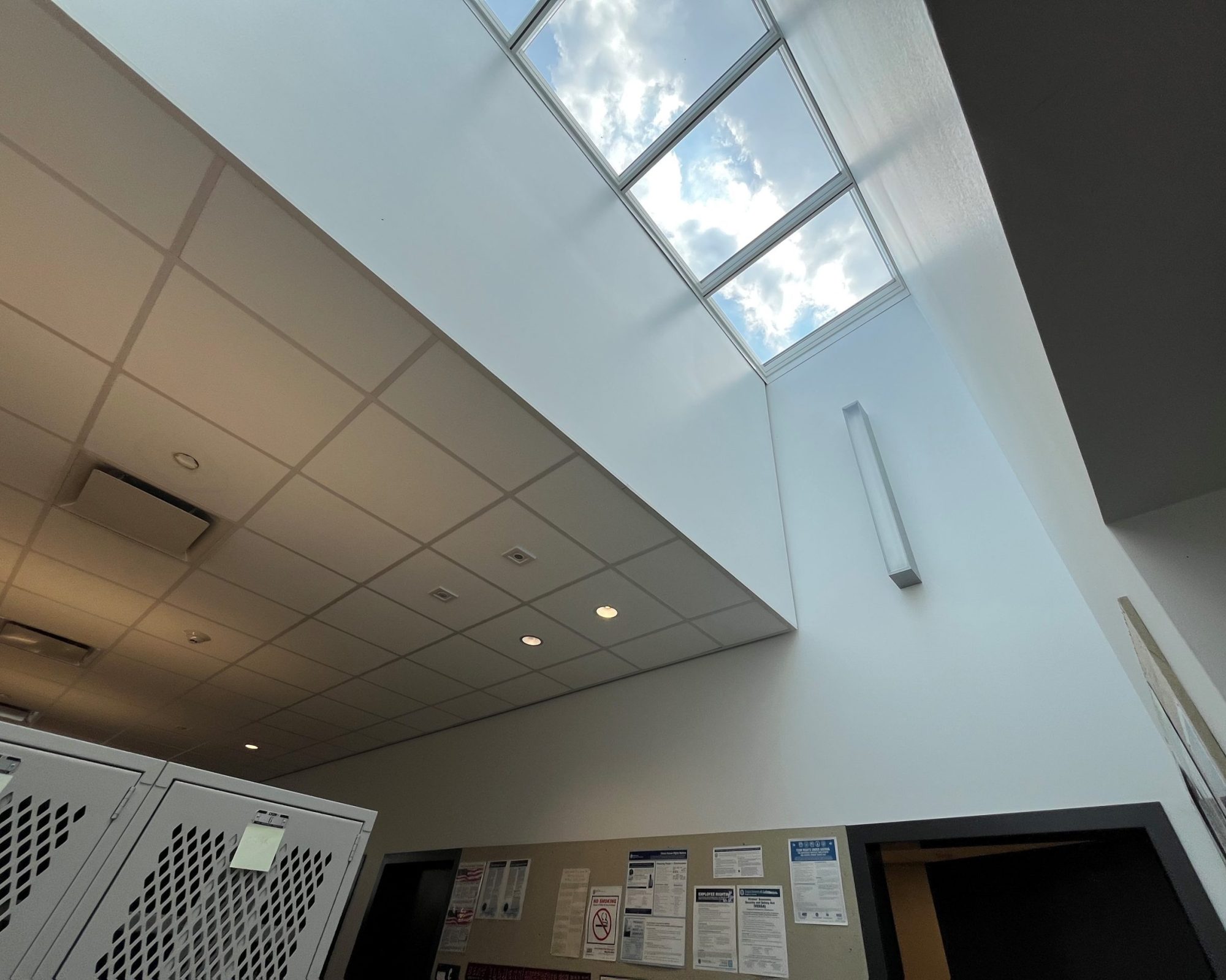
The Park District’s standard practice for new construction is to build for energy efficiency.
One way this is done is through daylighting, which allows a building to rely on natural light to light building interiors, reducing energy demand.
Another is through automation of systems, which optimize building system operation and reduce energy consumption.
The District’s Operations Building (pictured) is an example of daylighting design practices and automated lighting. Through skylights and carefully placed windows, natural light helps illuminate the facility.
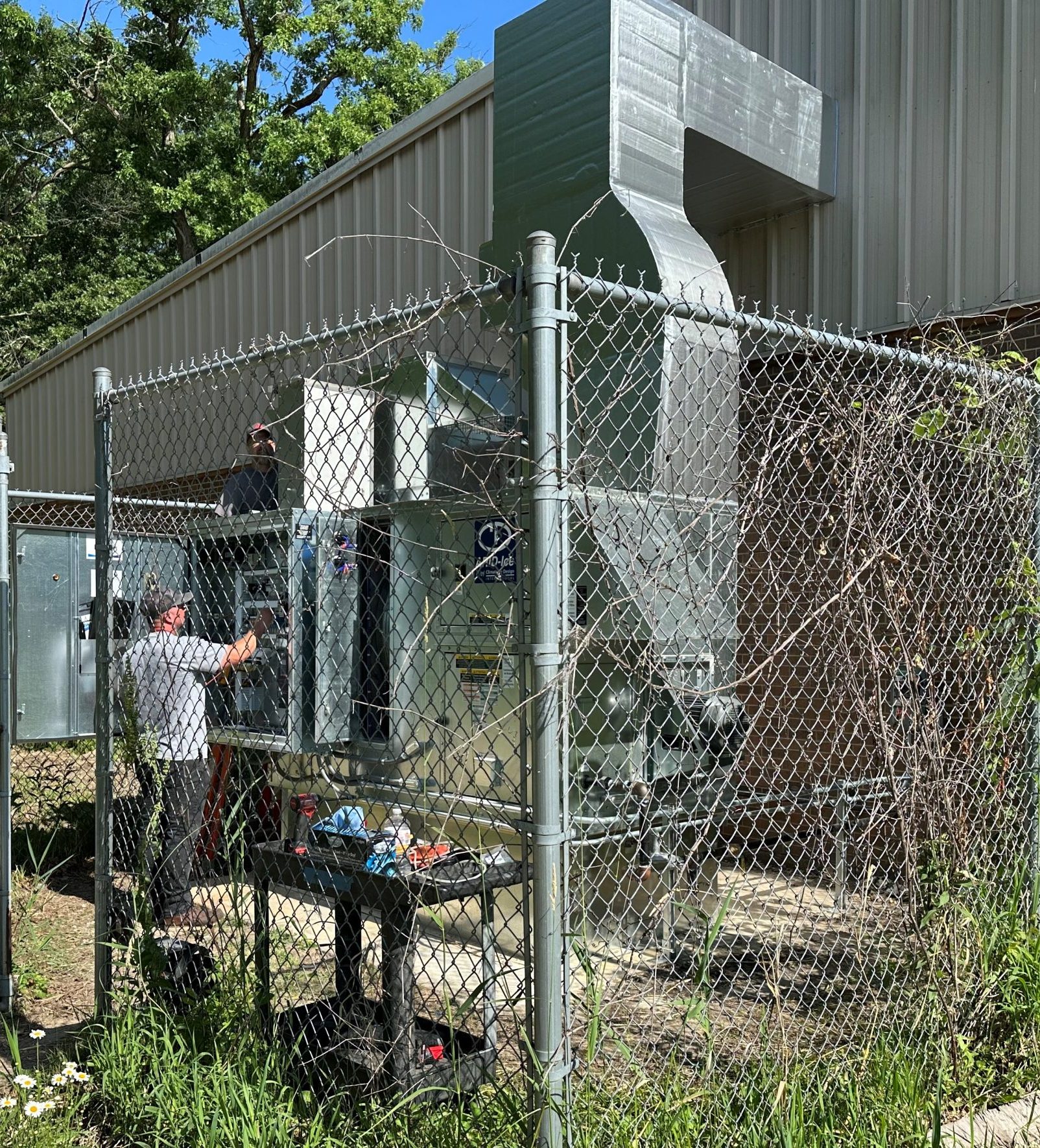
When building systems like heating, ventilation, and air conditioning (HVAC) units are up for replacement, more efficient options are chosen and when possible, automated.
In 2025, a new dehumidification unit was installed at Centennial Ice Arena. The new dehumidification unit (pictured) replaced a 45 year old unit, and will significantly improve energy efficiency – by design and also through automation. In 2025, one of Centennial’s roof top heating units is scheduled for replacement, and in 2026, two of the HVAC units are to be replaced. These replacements will also lead to significant improvements in the building’s energy efficiency.
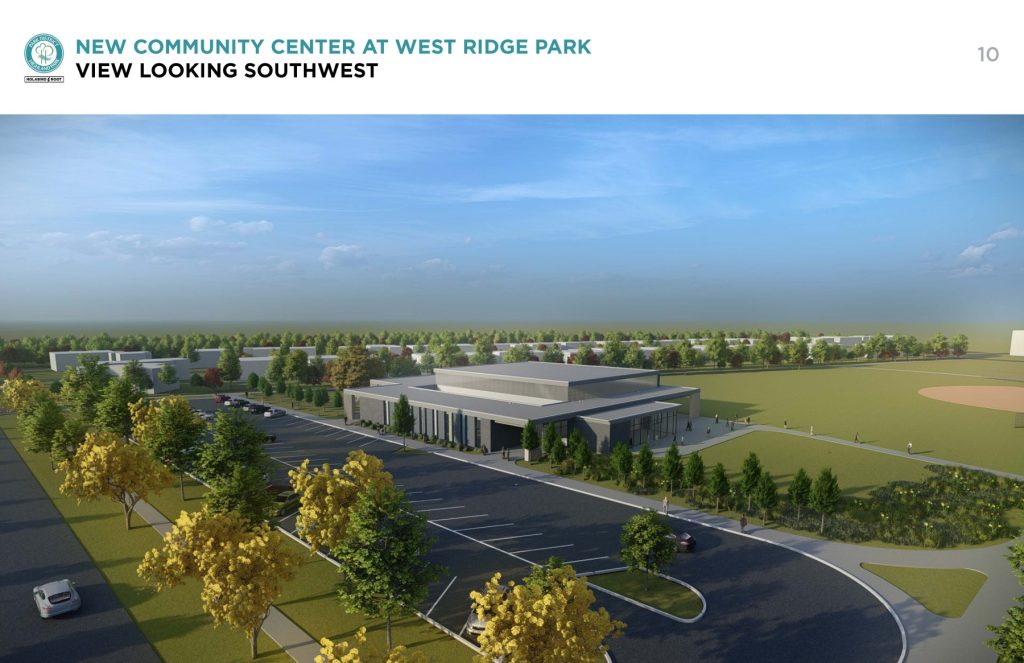
Learn more about the project by visiting the project page.